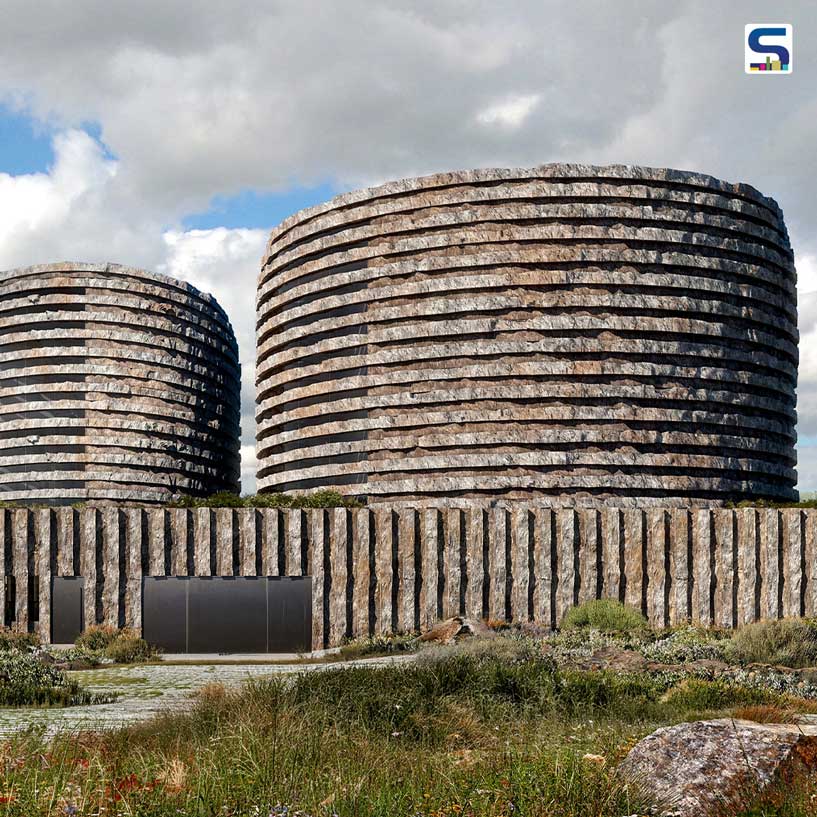
Carl Fredrik Svenstedt Architects recently announced its designs for an innovative data centre in Sweden, which is set to be constructed within striking silo-shaped structures built from structural stone. The project marks a significant milestone in sustainable infrastructure design, challenging the conventional approach to how data centres are conceived, built and integrated into their surrounding environments. Know more about it on SURFACES REPORTER (SR).
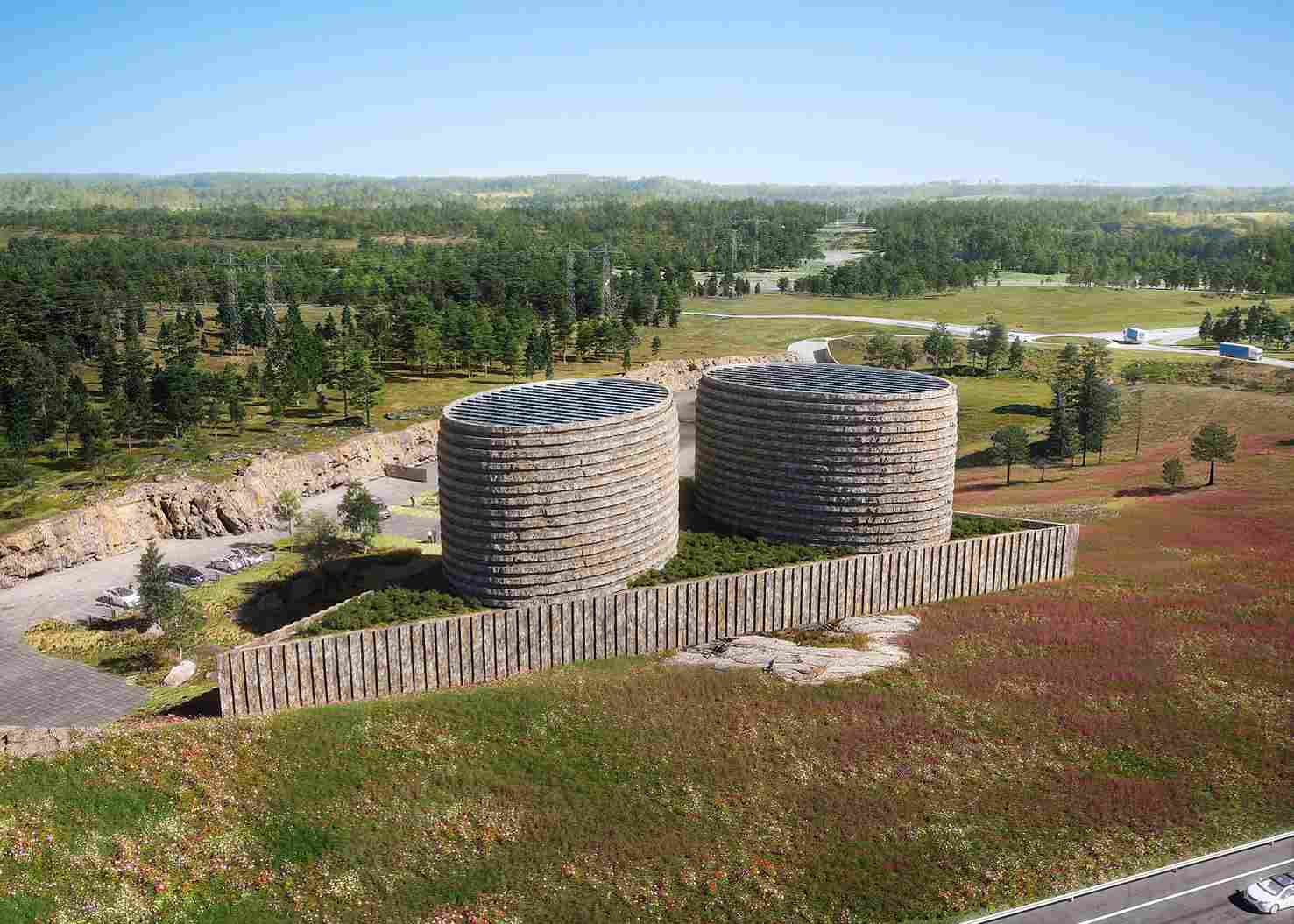
In terms of its architectural composition, the design features two oval-shaped towers enclosing rectangular server cores.
From silicon to stone
The concept traces its origins to 2022, when the studio first developed a broader series of proposals for stone built data centres across Europe under the collective name Stone Clouds. These were created in collaboration with cloud service provider Evroc. Since then, the project has progressed considerably and the firm has now secured planning approval to construct its inaugural Stone Cloud in the vicinity of Stockholm Arlanda Airport, with construction scheduled to commence within the current year. The project is reportedly being developed in partnership with engineering consultancy Webb Yates and Swedish architecture practice Metod Arkitekter.
The building material at the heart of the scheme is standardised structural granite, selected both for its exceptional compressive strength and for its considerably lower carbon footprint relative to conventional concrete. This material choice reflects the studio’s commitment to addressing one of the most pressing environmental concerns associated with the data centre industry which is its outsized consumption of energy and its heavy reliance on water for cooling systems. By prioritising sustainable construction methods and materials, Carl Fredrik Svenstedt Architects aims to meaningfully reduce the ecological burden that these facilities typically impose.
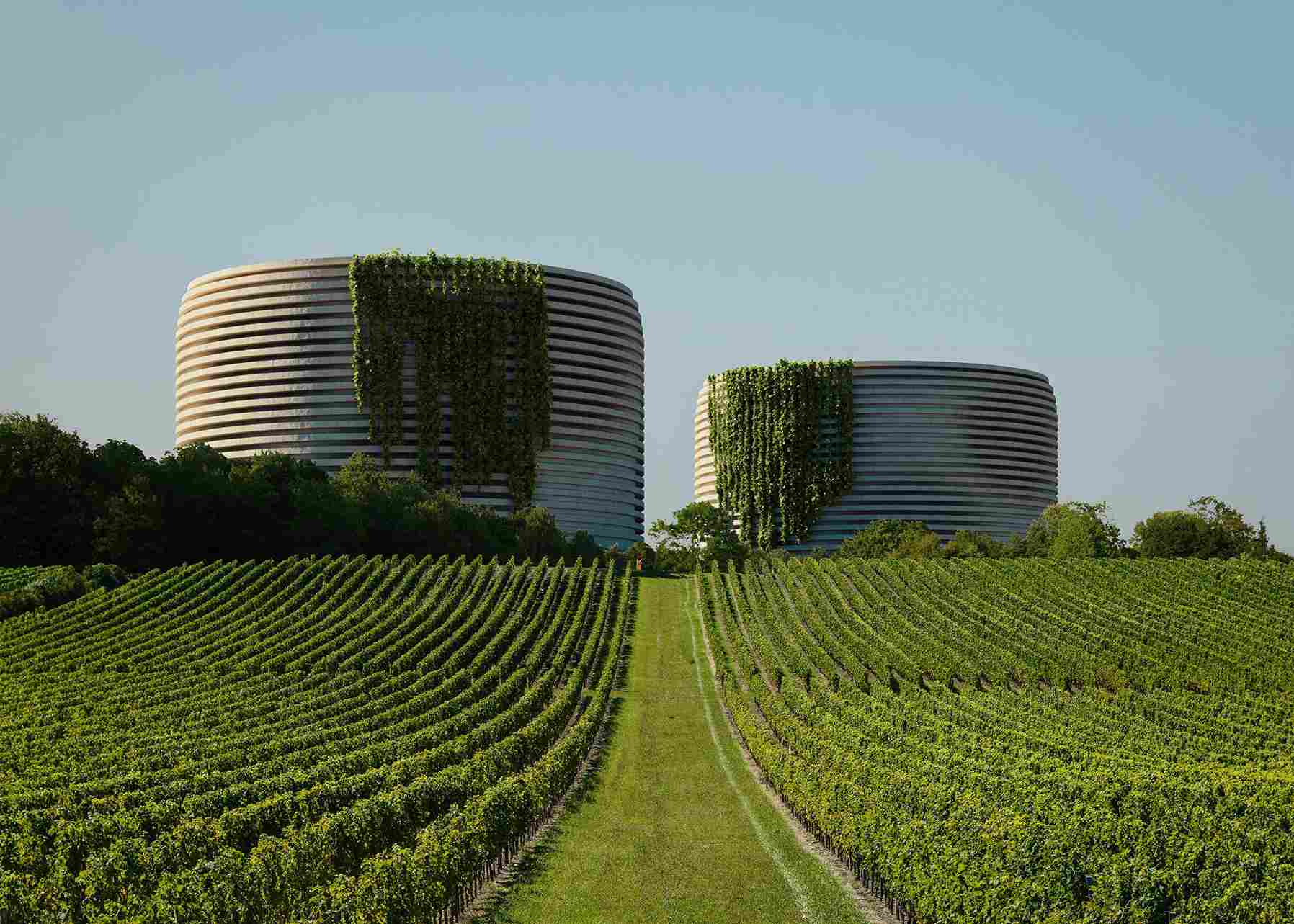
These structures are expected to evolve over time and are capable of expanding to meet growing data demands or being repurposed entirely for different functions.
Built to last
The ambition of the studio is to lower the carbon footprint of data centres through smarter, longer-lasting buildings which are capable of being converted or eventually recycled. According to the studio, the thermal mass inherent in thick stone walls provides natural inertia, helping to regulate internal temperatures across the changing seasons while simultaneously delivering the security and structural robustness that facilities of this strategic importance demand. This passive approach to temperature stabilisation also contributes to reducing overall energy consumption.
In terms of its architectural composition, the design features two oval-shaped towers enclosing rectangular server cores. The curved interstitial space between the outer shell and the inner core is dedicated to access routes, supply infrastructure and cooling shafts. These cylindrical volumes sit atop a triangular base housing electrical and mechanical systems, a recuperation plant, a maintenance hall and office accommodation. The silhouette of the building is a deliberate design decision, evoking the visual language of silos and traditional industrial structures. This aesthetic choice is not merely symbolic but it is tied to a long-term vision for adaptability. These structures are expected to evolve over time and are capable of expanding to meet growing data demands or being repurposed entirely for different functions.
Image credit: Luxigon