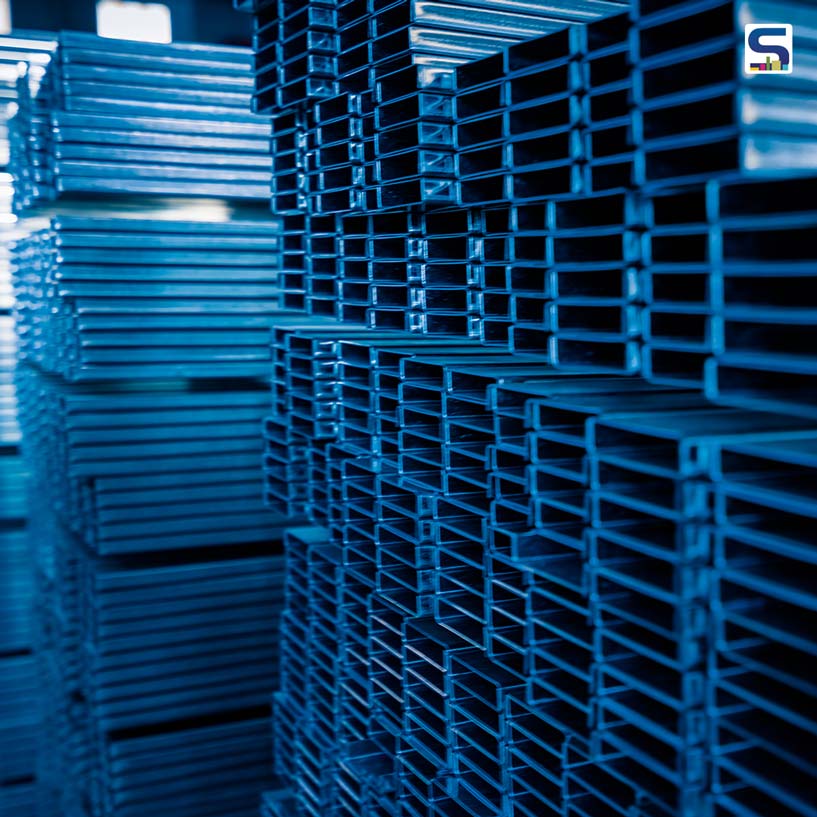
Materials such as aluminium profiles, powder-coated finishes, laminates, adhesives, hardware, ACP cladding, etc that architects and interior designers recommend are caught in a crisis that is unfolding miles away from India. The Middle East conflict has led to Iran closing the Strait of Hormuz, which is touted to be one of the world’s most critical maritime shipping routes and has reportedly disrupted nearly 20 per cent of global oil supplies and has also sent shockwaves through India’s construction and building materials sector. However, the most direct hit to the building materials and OEM furniture sector has come not from material shortages yet, but from the sudden unavailability and price explosion of fuel that runs fabrication, powder coating and manufacturing operations across the country. Here is a detailed report by SURFACES REPORTER (SR).
Fuel shortage: Rise in raw material prices
For architects and interior designers, aluminium is not an intangible commodity, and right now, its price is moving daily. According to ANAROCK estimates, steel has reached approximately Rs 72,000 per tonne, and since March, aluminium prices have risen by approximately 4 per cent. At the recently concluded ACE Reflect Goa 2026, Trisha Bhandiwad, CEO, Bandson Windows, a Pune-headquartered window systems company operating nationally, described the situation, “Aluminium prices are increasing every day. Last week, it was Rs 400 and today it is Rs 472. We have to buy at the current rate to fulfill orders that we confirmed a while ago. For instance, what was selling at Rs 300 before the war is today more than Rs 400, and is rising every day.” The daily price movement is not the only problem. According to her, powder coating, the finishing process that gives aluminium windows their aesthetic quality and weather resistance, depends on gas and gas has become acutely scarce. “A lot of powder coating vendors depends on gas and the industrial supply of gas is being regulated,” she notified. “Due to these issues, the usual process becomes a tat bit challenging. Project timelines that would normally run 1-1.5 for a villa are now stretching to 2.5-3 months."

"Aluminium prices are increasing every day. Last week, it was Rs400 and today it is Rs472. We have to buy at the current rate to fulfill orders that we confirmed a while ago,” Trisha Bhandiwad, CEO, Bandson Windows
This crisis extends well beyond structural materials. Interior and finishing materials, including ACP sheets, high-pressure laminates, modular furniture components, false ceiling materials and hardware fittings, all have become costlier due to the rising raw material costs and shipment delays. The paint industry, which supplies the coatings used across both construction sites and furniture finishing, is also under significant pressure. Rising crude oil prices have prompted major players, such as Asian Paints, to announce price increases of 6-8 per cent across their portfolios, to be implemented in phased tranches beginning mid-April and covering emulsions, enamels, primers and wood finishes, as reported by Surfaces Reporter.
For OEM manufacturers operating in the metal furniture and kitchen segment, the picture is more nuanced. Soiru Naik of Mettalica and a dealer for Verantes Living, specialising in metal kitchens made of galvanised iron and stainless steel, confirmed that raw material availability itself has not yet become a crisis for his segment, but the pricing pressure is real and worsening. “Due to the geopolitical tension, prices have increased for all industries. Once fuel prices go high, the cost of material also increases. The hit on margins of the builder will definitely hit the pockets of the end customer also.” He was candid about where his sector’s vulnerability actually lies. “Most of the materials we require are produced in India and we are quite independent in that sense, except for fuel, which we are importing. Fabrication is more of a challenge as we use gas or fuel to run our machines.”

"Due to the geopolitical tension, prices have increased for all industries. Once fuel prices go high, the cost of material also increases. The hit on margins of the builder will definitely hit the pockets of the end customer also” Soiru Naik of Mettalica and a dealer for Verantes Living"
Roadmap ahead
For the segment of the industry that relies on imported materials such as stone, speciality glass, cladding systems, hardware from Europe and Southeast Asia, the challenge is compounded by logistics rather than production. A roofing and cladding dealer at ACE Reflect Goa 2026, speaking off the record, described the situation, “A majority of my products are imported. Import charges are soaring and importing products has simply become difficult due to the war. Prices have gone up really high. I would not say there is a shortage in raw materials at the moment but yes, the import market is affected majorly.”
For the design community, this has a direct consequence. Imported specification materials, whether it is Italian marble, European hardware or facade systems, all are now subject to both price unpredictability and delivery uncertainty, and this is only complicating the specification process for high-end residential and commercial projects. For architects, interior designers and project managers who are working with fixed budgets and committed delivery dates, the current period is genuinely difficult. Products are being re-priced mid-project, while procurement decisions made 3-6 months ago are now making losses. The clients, on the other hand, are simply waiting for their spaces to be delivered on time. As for Naik, “We are hopeful that in six months to a year, the energy crisis will ease and prices will return to some level of normalcy but not below where they were… but to a manageable level.”