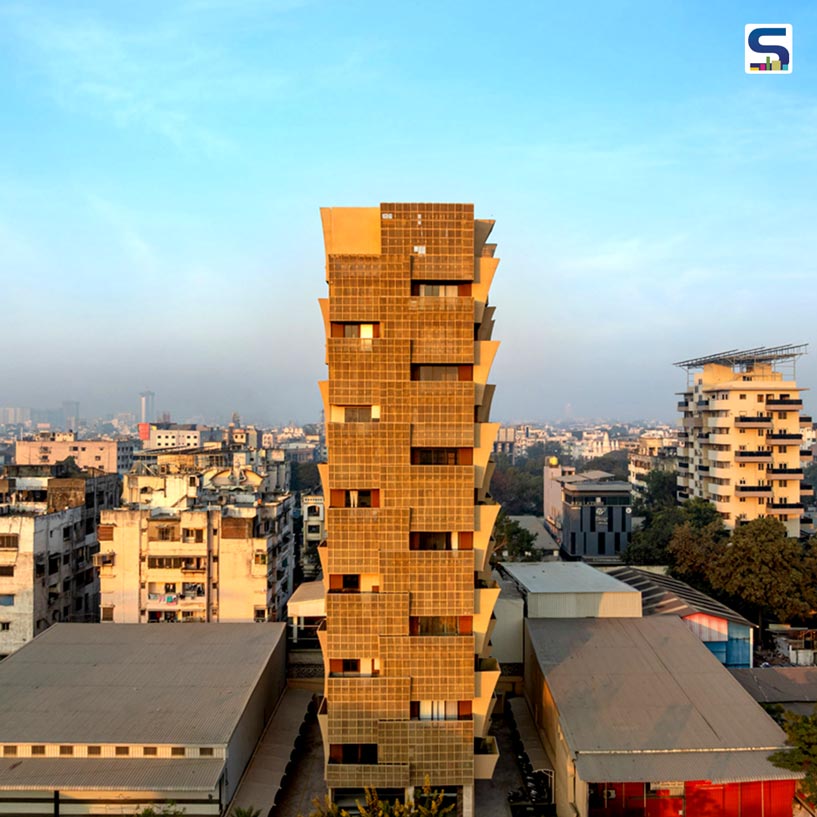
Sanjay Puri Architects has reportedly completed Cielo, a 12 storey residential building in Nagpur, Maharashtra that stands as a thoughtful and visually striking response to extreme, sustained heat. The project is defined by its extraordinary facade, which is wrapped in a system of bespoke curved screens that simultaneously serve as climate-control devices, balcony structures and a bold architectural statement rooted in regional historical tradition. Learn on SURFACES REPORTER (SR) how this building demonstrates that responsible, climate-conscious residential architecture can coexist with architectural beauty.
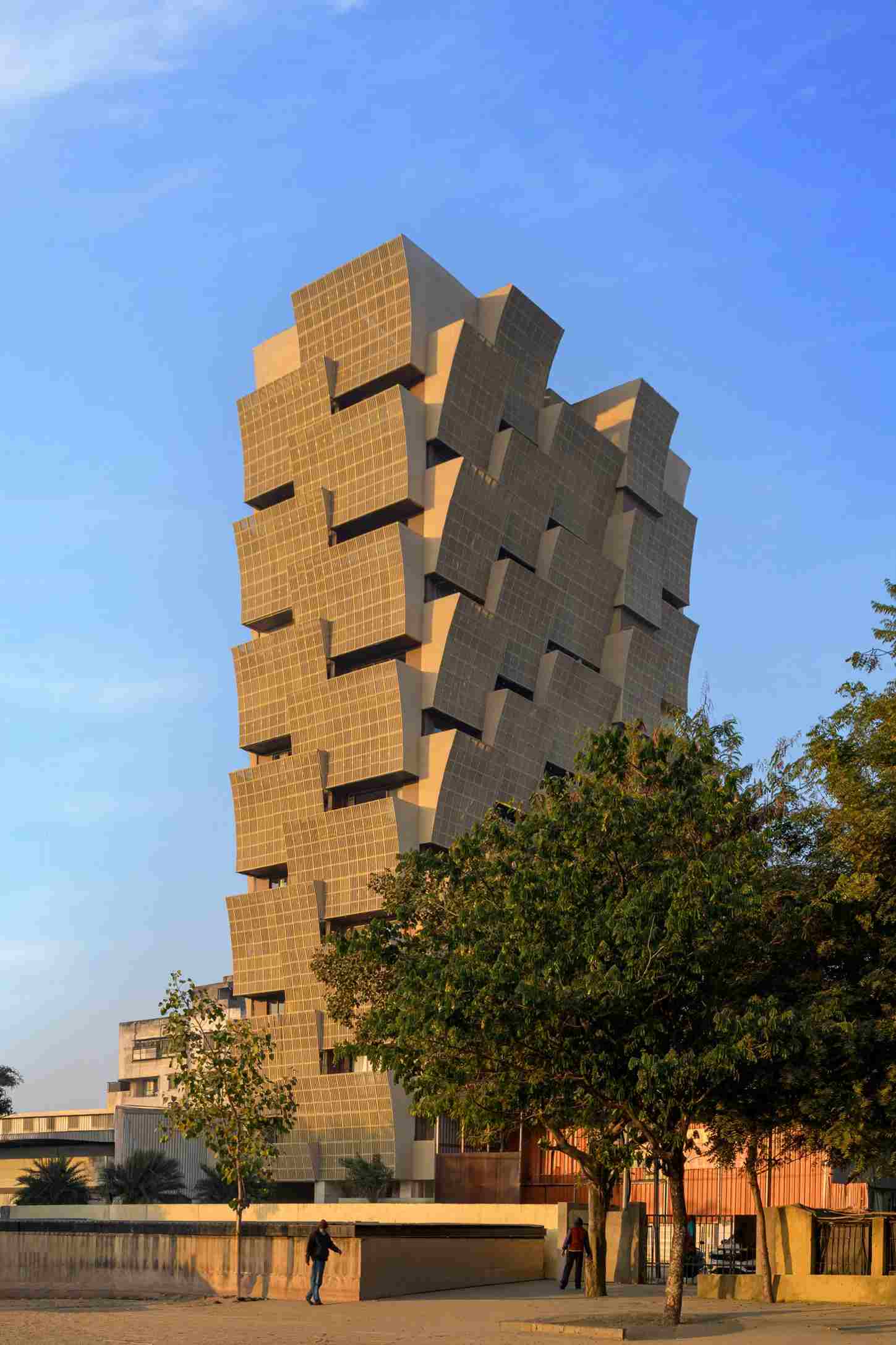
The building sits on a compact plot of just 900sqm, a constraint that shaped many of the decisions made throughout the design process.
Built for the heat
Nagpur occupies a geographical position in the heart of India that makes it one of the country's hottest cities, with scorching temperatures persisting for the greater part of the year. Designing a comfortable, liveable residential building in such a climate demands far more than standard construction practice, and Sanjay Puri Architects has approached the challenge with considerable rigour. The building sits on a compact plot of just 900sqm, a constraint that shaped many of the decisions made throughout the design process. Local planning regulations permitted a maximum buildable floor area of 3,600sqm and mandated that open space be preserved along all four edges of the site.
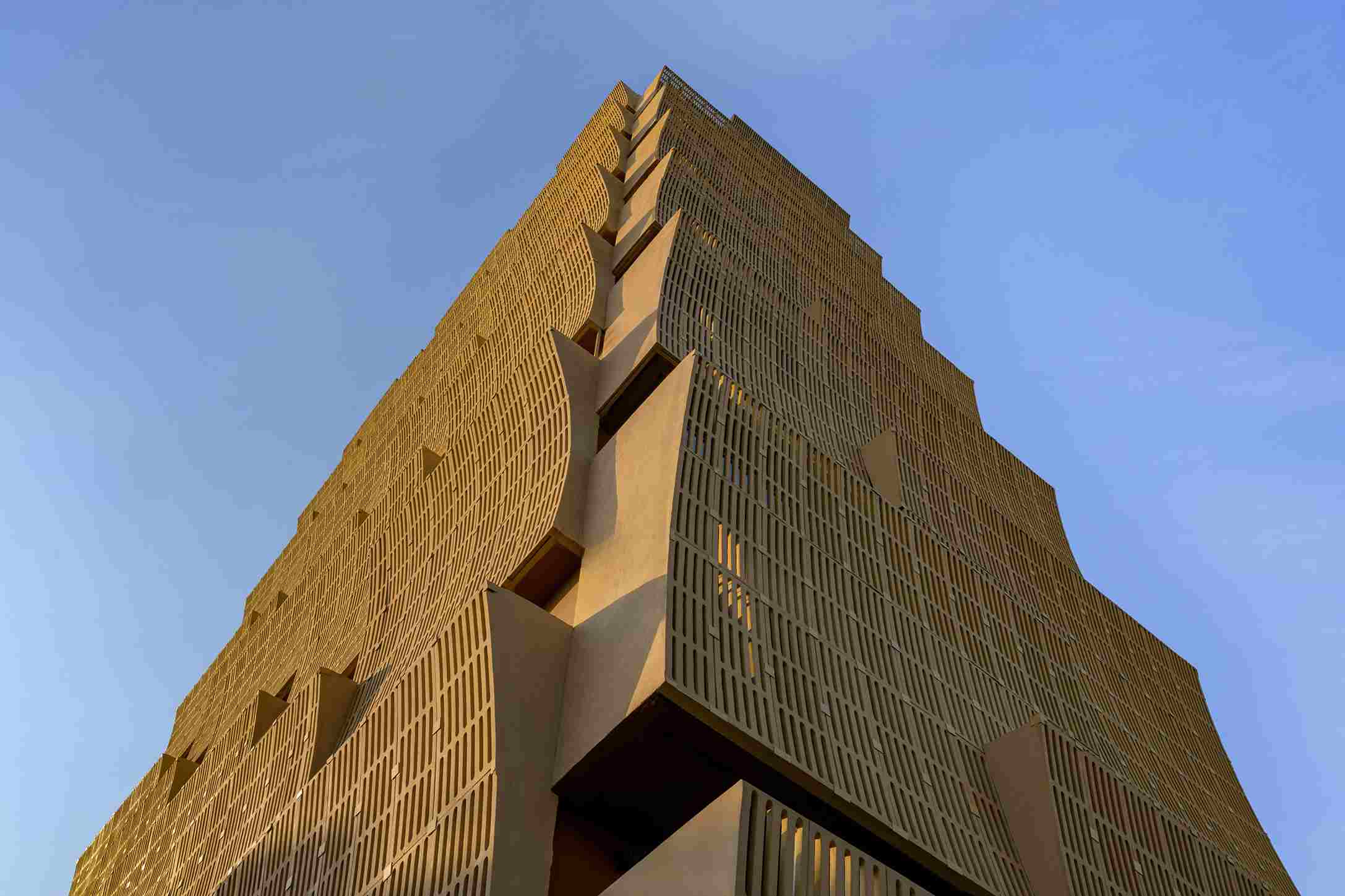
The alternating arrangement maximises the coverage of shaded and sheltered areas across all four elevations, thus ensuring each room in every apartment benefits from a degree of outdoor green space, and generates the sculptural, rhythmic facade.
Working within these parameters, the studio opted to place a single apartment on each of the 12 floors. Each unit spans 270sqm and contains four bedrooms, a configuration that ensures residents on every level benefit from plenty of cross-ventilation. The most visually arresting aspect of the project is undoubtedly its facade, which is enveloped in a system of curved foam concrete modules developed in close collaboration with cladding specialists FlexStone. These modules give the building its distinctive pixellated appearance from a distance, while on closer inspection it reveals a sophisticated dual-purpose logic. Each curved module spans two full storeys in height. At the lower level, it functions as a protective screen, shielding the interior of the apartment from direct solar exposure and the intense radiant heat that would otherwise penetrate the building envelope. At the upper end of the same module, the structure projects outward to form a balcony for the apartment on the storey above, creating usable outdoor space without compromising the thermal performance of the facade.
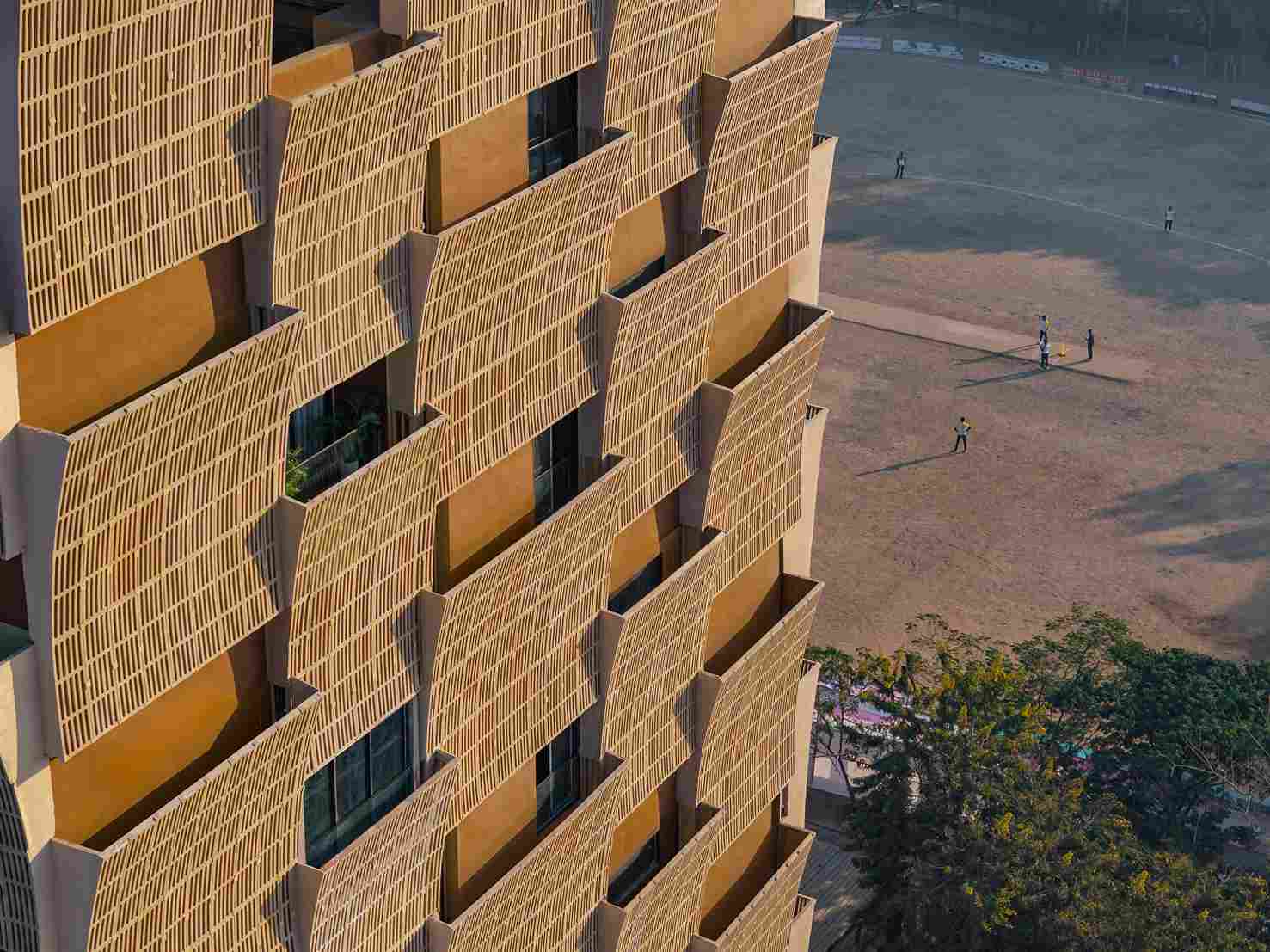
These modules give the building its distinctive pixellated appearance from a distance, while on closer inspection it reveals a sophisticated dual-purpose logic.
These modules do not follow a single repeated orientation. Instead, they alternate both horizontally and vertically across the building’s exterior, thus serving multiple purposes at once. The alternating arrangement maximises the coverage of shaded and sheltered areas across all four elevations, thus ensuring each room in every apartment benefits from a degree of outdoor green space, and generates the sculptural, rhythmic facade. Additionally, the interplay of projection and recession of light and shadow across the curved surfaces, lends the building a dynamic presence that changes throughout the day as the sun moves across the sky.
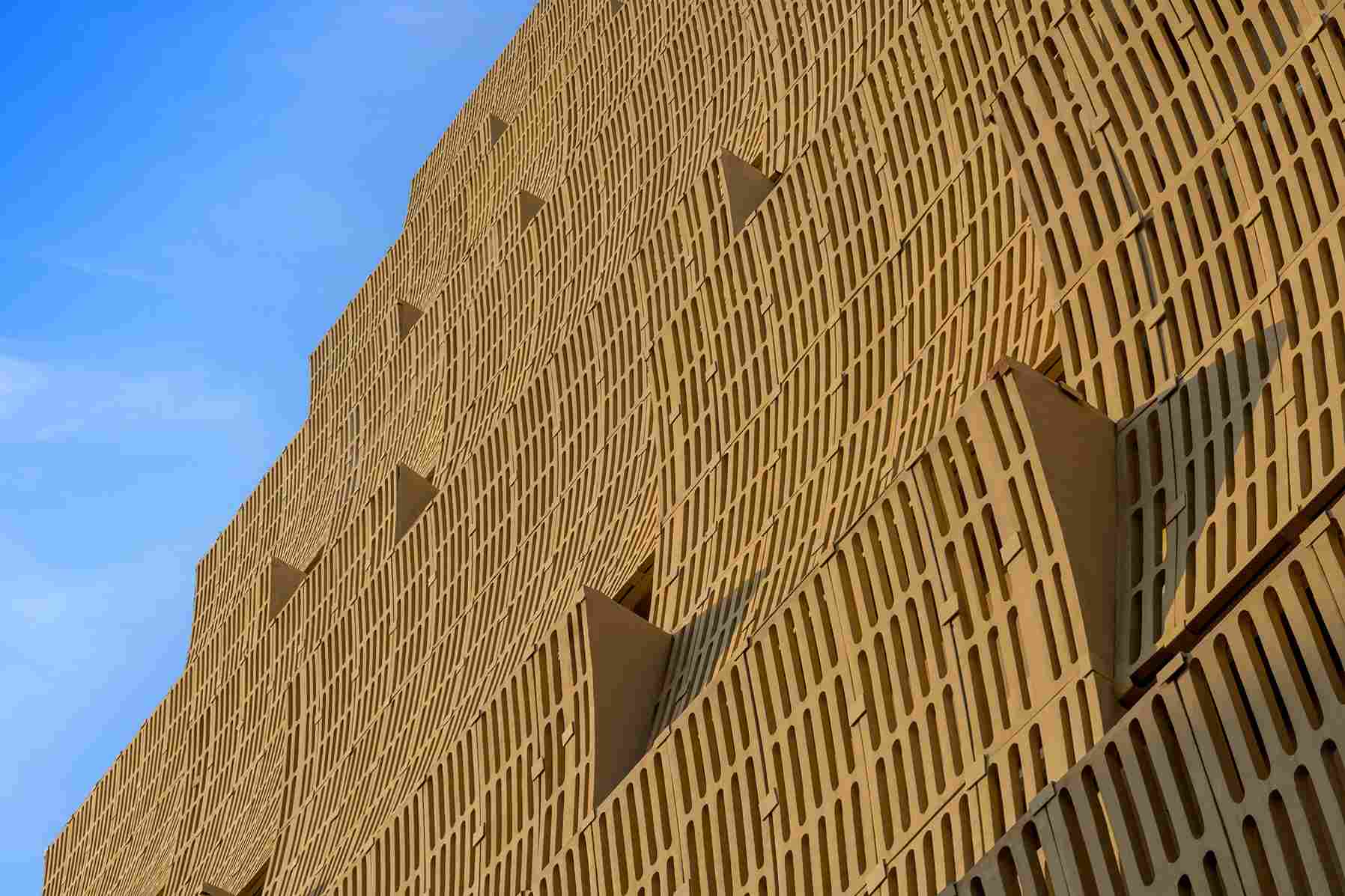
The most visually arresting aspect of the project is undoubtedly its facade, which is enveloped in a system of curved foam concrete modules developed in close collaboration with cladding specialists FlexStone.
For modern living
Beyond their functional and aesthetic roles, the screens carry a deeper cultural significance. The team has drawn a direct connection between the design of Cielo’s facade and the long tradition of architectural screens in the region, a tradition that dates back to the 17th century. Latticed and perforated screens have been a defining feature of vernacular and classical architecture across this part of India for centuries, used historically to manage heat, control light and create visual privacy while maintaining airflow.
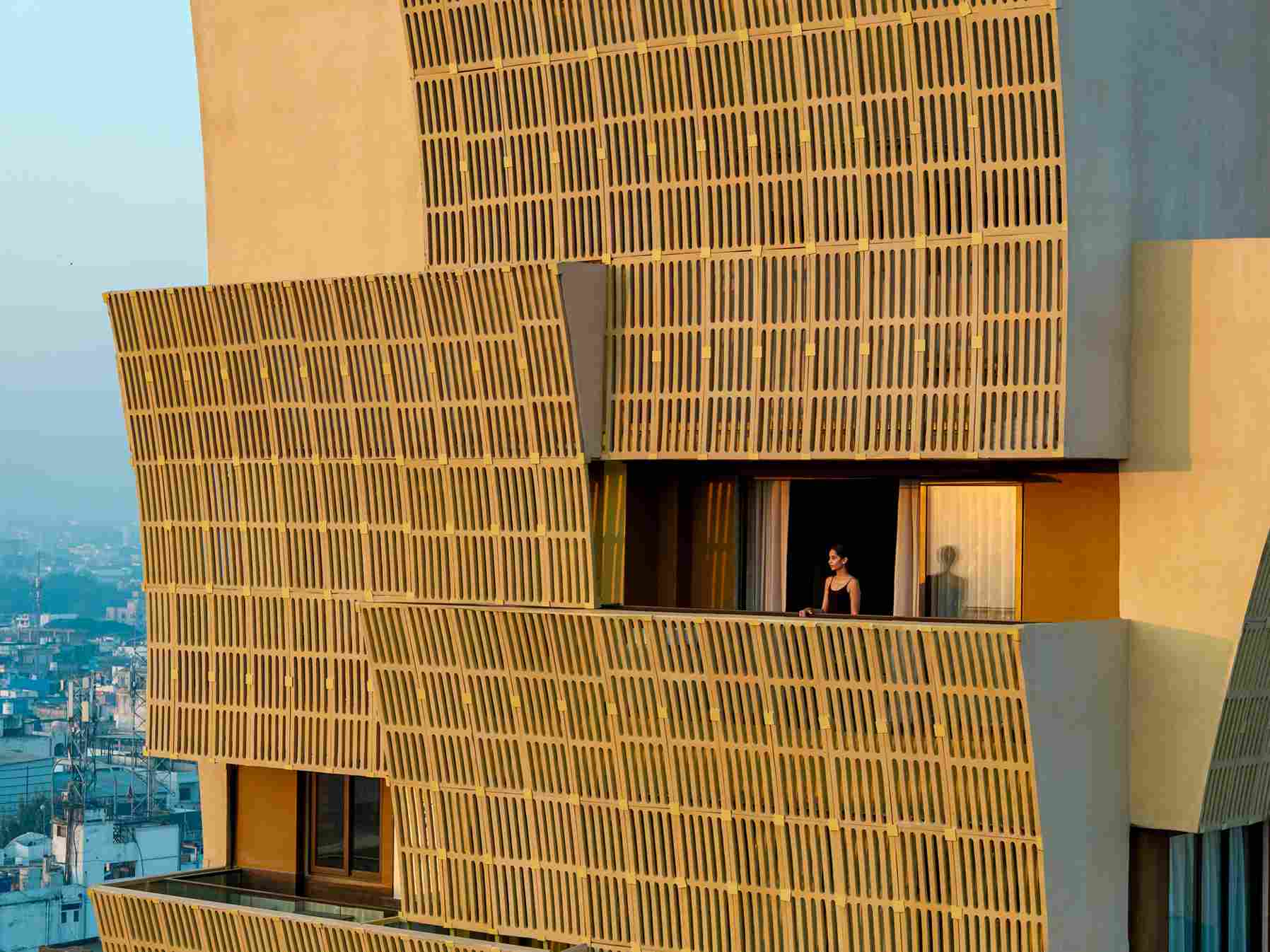
Each unit spans 270sqm and contains four bedrooms, a configuration that ensures residents on every level benefit from plenty of cross-ventilation.
According to the studio, the foam concrete screens are manufactured using approximately 80 per cent recycled materials and are produced through a process with a minimal carbon footprint. The interior planning of each apartment unit is equally considered. Living spaces are positioned at the centre of each floor plate, a layout decision that reduces direct exposure to external heat while maximising comfort in the areas where residents spend the most time. The kitchen is located at one corner of the unit, while the remaining three corners are given over to the bedrooms, each of which benefits from direct access to the outdoor spaces created by the facade system. These semi-open spaces alternate in character between screened balconies, which offer shelter and privacy while admitting natural light and air, and double-height open decks, which provide a more expansive connection to the outdoors.
Image credit: Vinay Panjwani